
Signature Plants are a benefit of membership at the Contributor level and above. Plants are hand-selected by BBG’s Horticulture staff for their beauty and ability to thrive in a wide range of hardiness zones and light, soil, and moisture conditions, so you’re sure to find something perfect for your garden or home. To show our appreciation of your generous support of the Garden, you are invited to select your 2024 Signature Plant at one of our two exclusive pickup events. Take a stroll and enjoy the grounds during peak blooming season before you stop by the Signature Plant pickup table located at the nursery in the south end of the Garden. Eligible members are invited to select their 2024 Signature Plant on one of two pickup dates: Saturday, May 11, 2024 | 10 a.m.–1 p.m. Wednesday, May 15, 2024 | 6–8:30 p.m. Six carefully curated plants—three houseplants, two herbaceous perennials, and one shrub—will be available on a first-come, first-served basis for each pickup date. Take a spring walk through the Garden and then stop by the Signature Plant pickup table in the south end of the Garden. BYOB. Bring your own bag! Thank you for helping us lead a sustainable pickup event. For more information, email [email protected]. Please note that plant pickup is available on designated dates and times only and plants cannot be shipped—no exceptions, please. Photos depict mature plants. You will receive a juvenile plant to grow and care for. Full sun/partial shade, moist soil, grow in pot 1–3 feet tall USDA Zones 9–11 Family Acanthaceae Description Crossandra is native to India and Sri Lanka and is related to the Mexican petunia and the yellow shrimp plant. This heat-loving tropical plant will grow up to 3 feet tall, with glossy, textured leaves that are oval-shaped and
clusters of tubular flowers. Pollinators such as butterflies and dragonflies are attracted to the colorful blossoms. Its performs as a perennial in Central and South Florida but should be used as a container plant otherwise. Crossandra plants are slow growing but make wonderful flowering houseplants if given adequate light.
Culture Crossandra is fairly easy to care for, thrives in warmer temperatures, and can tolerate up to four hours of direct sun per day. Plant your Crossandra in well-drained soil and keep it moist, not soggy, and never allow it to dry out.
Pests, Pets, and Diseases While generally resistant to pests, watch out for mealybugs, whiteflies, aphids and mites. Nontoxic to pets. Full sun/partial shade, average soil, grow in pot 10 inches tall USDA Zone 7B-11 Family Acanthaceae Description Ruellia longepetiolata is a creeping subshrub native to Mexico. It is known for its prolific blue-purple blooms that attract butterflies and hummingbirds. This fast-growing plant requires plenty of light but not too much direct or scorching sun. Regular water will help them thrive, however they are fairly drought tolerant. Ruellia is best grown in fertile, well-draining soil, but is adaptable to a variety of soils. Be sure to bring indoors during the winter months. Culture Ruellia do best in full to partial light and should be watered regularly. Use well-drained soil ideally with added organic matter and fertilize in spring. To encourage bushiness and maintain good shape, pinch out young shoots and cut back after flowering. Pests, Pets, and Diseases Ruellia is generally resistant to pests. Be careful not to overwater as it may experience root rot. Toxic to pets. Partial shade/shade, moist soil, grow in pot 6–12 inches tall USDA Zones 10–11 Family Scrophulariaceae Description Native to Mexico and Guatemala, Tetranema roseum are small, tender perennials with crinkly evergreen foliage and tubular flowers. Tetranema can flower in the shade as foxgloves and violets often do, preferring bright, indirect light or partial sun rather than direct sunlight. These miniature plants also make a good addition to terrariums. Culture Keep away from full sun. Mexican foxglove enjoys high humidity and lightly damp soil but is averse to soggy conditions. It enjoys warmer temperatures above 50°F. Pests, Pets, and Diseases Not susceptible to pests, but will attract scale and mealybugs if kept near other infected plants. Toxic to pets. Full sun/partial shade, average soil, grow in pot 2–4 feet tall USDA Zones 4–8 Family Lamiaceae Description Agastache foeniculum is an upright, clump-forming perennial of the mint family that is native to parts of the upper Midwest and Great Plains. It is noted for its mid- to late-summer bloom of lavender to purple flowers in terminal spikes and its anise-scented foliage, which attracted bees, hummingbirds, and butterflies. Its aromatic leaves can be used to make herbal teas or jellies and seeds can be added to cookies or muffins. Culture Easily grown in average, dry to medium moisture, well-drained soils in full sun to part shade. Anise hyssop tolerates dry soils, particularly once established. Deadhead spent flowers to promote additional blooms. Pests, Pets, and Diseases Crown/root rot may develop in poorly drained soils. Watch for rust, powdery mildew and leaf spots. Nontoxic to pets. Full sun/partial shade, average soil, grow in pot Approximately 24 inches tall USDA Zones 5–7 Family Rosaceae Description ‘Blazing Sunset’ is a remarkable cultivar that sports fully double blooms of rich red hues and exceptional sizes. This Geum blooms over a long period in late spring and into summer. It tolerates a wide variety of weathers and soil conditions with little complaint. It is attractive to butterflies and other pollinators. Culture Geum adapts well to both hot summers and cold winters without complaint. This species prefers rich, well-drained soil with some moisture required. Geum should be divided frequently; young or newly divided plants bloom longer and stronger than older ones. Deadheading will promote a longer flowering time and rebloom. Pests, Pets, and Diseases Aphids, black vine weevil, leafminers, and spider mites can sometimes be problematic. Nontoxic to pets. Full sun/partial shade, average soil 25–30 feet tall USDA Zones 4–8 Family Rosaceae Description Amelanchier is a deciduous, early-flowering, large shrub or small tree in the rose family that is native to eastern North America. It is an understory tree, often found growing in clumps in swamps, bogs, lowlands, and thickets. It features showy, five-petaled, slightly fragrant, white flowers in drooping clusters that appear before the leaves emerge in early spring. In autumn the leaves turn a showy red and orange. The flowers give way to small, round, green berries that turn red and finally mature to a dark purplish black in early summer. These edible berries resemble blueberries and are used in jams, jellies and pies. Culture Easily grown in average, medium, or well-drained soil in full sun to part shade. Pests, Pets, and Diseases Generally pest free, however sawfly, leaf miner, borers and scale may cause issues. Rust, leaf spot, blight and powdery mildew can occur. Pests and diseases are usually cosmetic rather than life threatening. Nontoxic to pets. Signature Plants is a benefit for Garden Circle (Contributor, Supporter, and Patron) and President’s Circle members. Unfortunately, we have a limited number of plants and the number of plants we have prepared has already been decided based on how many Garden Circle and President’s Circle members we have prior to the announcement of this event. But if you upgrade or join now you will be invited to pick up your Signature Plant next year! Contributor level members may pick up one plant, and members at the Supporter level and above may pick up two. Plants are offered per membership, not per person. Unfortunately, no; plant pickup is available only on designated dates and times. No; plants can only be picked up in person and we don’t currently have plans to bring back the option to ship plants. Friends are allowed to come and pick up plants in your stead. No; a limited quantity of plants are cultivated for this event and are only available on a first-come, first-served basis.2024 Signature Plant Pickup Events
Savor a spring day in the Garden with coffee and morning treats.
Enjoy wine and light snacks during a spring evening.
2024 Signature Plants

Crossandra infundibuliformis (Firecracker Flower)

Ruellia longepetiolata (Water Bluebell)

Tetranema roseum (Mexican Foxglove)

Agastache foeniculum (Anise Hyssop)

Geum ‘Blazing Sunset’

Amelanchier canadensis (Canadian Serviceberry)
Frequently Asked Questions
I’m a member. Why can’t I get a plant?
Can I upgrade/join today and get a plant?
How many plants can I pick up?
Can I pick up my plant(s) on a different day/time?
Can my plant(s) be shipped?
My plant(s) died—can I get a replacement?
Signature Plant Pickup
Member Events | Garden Circle Events
Saturday, May 11, 2024 | 10 a.m.–1 p.m. & Wednesday, May 15, 2024 | 6–8:30 p.m.
Preregistration Required
Houseplant
Houseplant
Houseplant
Herbaceous Perennial
Herbaceous Perennial
Shrub
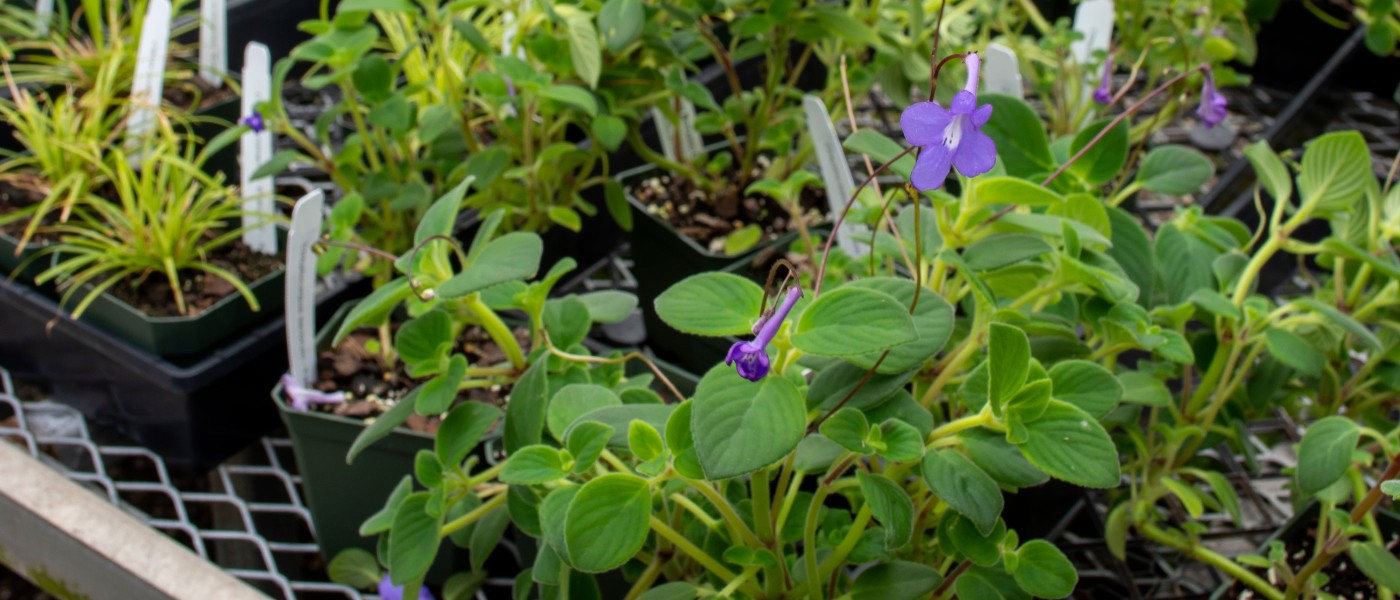
Image, top of page: Michael Stewart